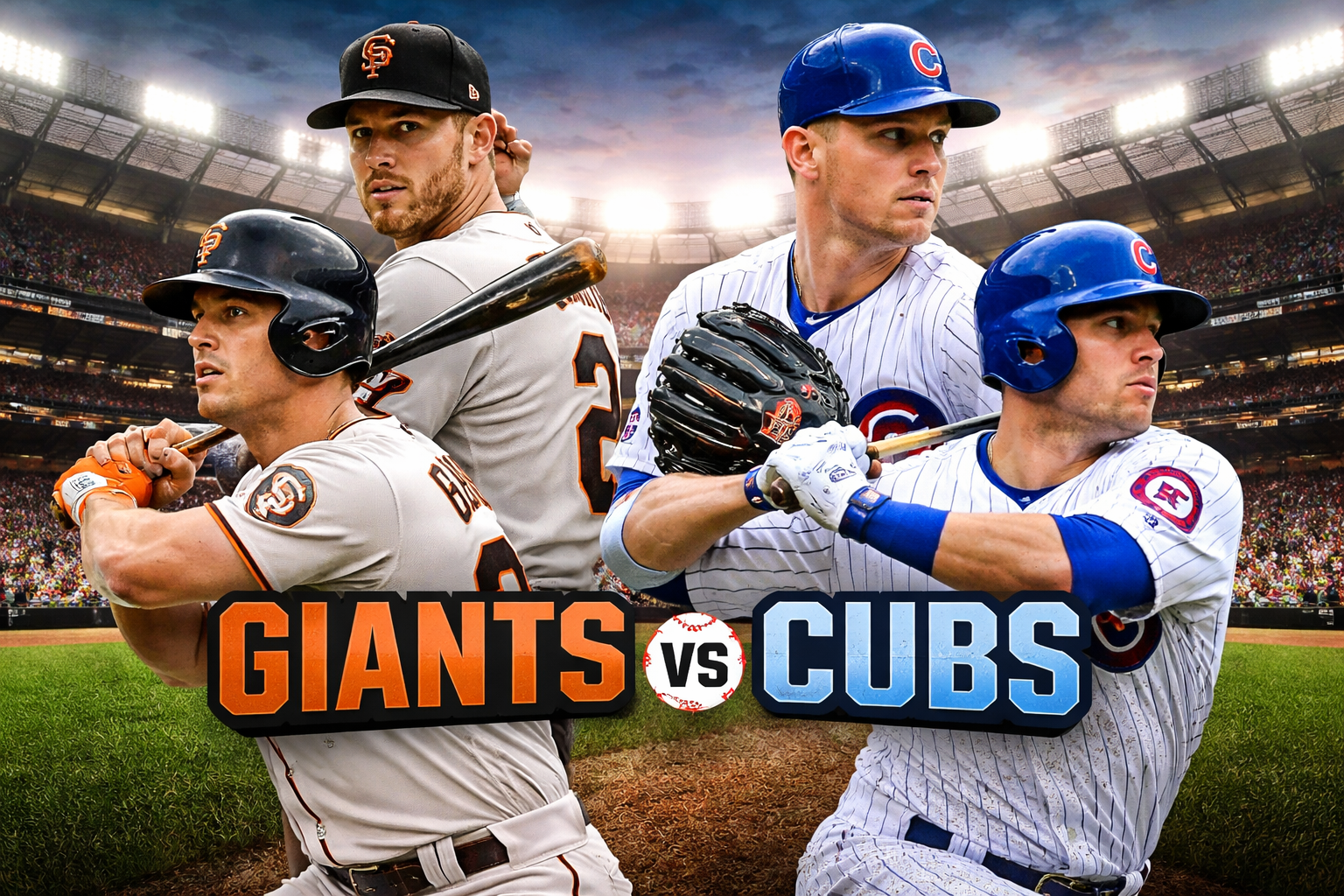
San Francisco Giants vs Chicago Cubs Match Player Stats Breakdown
Have you ever watched a baseball game and wondered which player truly changed the outcome? Box scores often show runs, hits, and errors, but they rarely explain why the game unfolded the way it did.
When I was watching a recent National League matchup between the San Francisco Giants and the Chicago Cubs, one moment stood out clearly. In the sixth inning, a single swing shifted the entire momentum. The scoreboard showed a home run, but the deeper story was about pitch selection, defensive positioning, and the hitter’s previous at bats.
Fans searching for san francisco giants vs chicago cubs match player stats usually want more than raw numbers. They want to understand:
- Which players dominated
- Which moments defined the game
- How the statistics translate into real performance
Recent MLB reports show how individual performances can completely reshape a matchup. For example, a recent performance by Rafael Devers drove in four runs during a Giants victory, highlighting how one hitter can carry offensive production in a single game.
This article explains the player statistics, key matchups, and analytical insights behind this classic National League showdown. By the end, you will see the numbers the same way analysts and scouts do.
The next section starts with a simple but crucial question: why these player stats matter more than the final score.
Why Player Stats Matter in Giants vs Cubs Games
When fans search for game statistics, they usually focus on batting averages or home runs. Yet baseball analysis in 2026 goes far beyond those basic numbers.
Modern MLB analytics focuses on three areas:
- Contact quality
- Pitch efficiency
- Situational performance
For example, a hitter going 2 for 4 may look solid on paper. But if both hits came when the team was already leading by five runs, the real impact is smaller.
In contrast, a single hit with runners in scoring position can completely change the win probability.
Key Analytical Takeaway
Source: MLB team statistics database 2025 season
Context: The Chicago Cubs finished with 92 wins and a .568 winning percentage, while the Giants finished 81 to 81 during the same season.
Implication: Teams with deeper lineups tend to win tight matchups because multiple hitters can deliver in clutch situations.
This is exactly why analyzing individual performances matters. A single clutch at bat from a middle order hitter often decides games between competitive teams.
And once you start breaking down the individual numbers, the Giants and Cubs rosters reveal fascinating contrasts.
Recent Form and Momentum Entering the Matchup
Every baseball game reflects both season long performance and short term form.
During the early 2026 season, both teams showed flashes of strong offense.
The Cubs recently exploded for a 16 hit offensive performance, highlighting how dangerous their lineup becomes when hard contact starts turning into hits.
At the same time, the Giants showed their own offensive potential when a key power hitter delivered multiple RBIs in a shutout victory.
Momentum like this often affects how players perform in upcoming matchups.
From a scouting perspective, the most interesting factor is how these teams differ in style.
Cubs Offensive Identity
The Cubs rely heavily on:
- aggressive baserunning
- high contact hitters
- gap power
Players such as Nico Hoerner and Pete Crow Armstrong frequently create pressure through speed.
Giants Offensive Identity
The Giants lineup traditionally focuses on:
- power hitting
- situational patience
- extra base hits
When these styles collide, the game often becomes unpredictable.
Next, let’s examine the actual player statistics that shaped the matchup.
San Francisco Giants Key Player Stats
Several Giants hitters consistently influence games against National League opponents.
Top Offensive Performers
| Player | Position | Key Strength | Impact |
| Matt Chapman | Third Base | Power hitting | Home run threat |
| Luis Arraez | First Base | Contact hitter | High average |
| Rafael Devers | Corner infielder | Run production | RBI leader |
| Jung Hoo Lee | Outfield | Plate discipline | OBP contributor |
During one recent game stretch, Devers delivered four RBIs in a single game, including a three run homer that broke a scoreless tie.
That type of swing often becomes the decisive moment in close matchups.
From my own viewing experience, the most noticeable aspect of Giants hitting is patience. When a pitcher misses the zone early in the count, the lineup forces deeper pitch counts.
This strategy gradually exposes opposing bullpens.
But offense alone does not explain the Giants approach.
Pitching has historically been their biggest weapon.
Giants Pitching Performance
Pitching depth often determines the outcome of a Giants vs Cubs matchup.
Starting Rotation Impact
Key pitchers include:
- Logan Webb
- Tyler Mahle
- Kyle Harrison
- Robbie Ray
These starters focus heavily on:
- ground ball rates
- strikeout efficiency
- pitch movement
During one recent performance, Mahle delivered over five scoreless innings, limiting opponents to minimal contact.
Watching the pitch sequences closely, you notice how the Giants rely on sinkers and sliders to force weak contact.
When the pitching staff executes correctly, the defense becomes far more effective.
Still, the Cubs lineup presents a completely different challenge.
Chicago Cubs Key Player Stats
The Cubs offense is structured around balanced production across the lineup.
According to Chicago Cubs official player statistics, several hitters drove the majority of offensive production in recent seasons.
Cubs Offensive Leaders
| Player | Home Runs | RBIs | Batting Average |
| Michael Busch | 34 | 90 | .261 |
| Seiya Suzuki | 32 | 103 | .245 |
| Pete Crow Armstrong | 31 | 95 | .247 |
| Nico Hoerner | 7 | 61 | .297 |
Source: Chicago Cubs team statistics database.
These numbers reveal something interesting.
The Cubs lineup does not rely on a single superstar hitter. Instead, multiple players contribute 20 plus home run power, making the offense difficult to contain.
One particular player worth watching is Nico Hoerner.
His ability to combine contact hitting with base stealing creates constant pressure on pitchers.
When I watched one Cubs series last summer, Hoerner turned a routine single into a scoring opportunity simply by stealing second base and forcing a rushed throw from the catcher.
Moments like that rarely appear in box scores, but they influence entire innings.
Next, the pitching side of the Cubs roster tells another part of the story.
Chicago Cubs Pitching Stats
The Cubs pitching staff focuses heavily on strikeout control and bullpen depth.
Important pitchers include:
- Justin Steele
- Javier Assad
- Ben Brown
- Hunter Harvey
During one strong outing, Assad retired the first 12 batters he faced, showing how dominant a starter can be when command is perfect.
Pitching performances like this allow the Cubs offense to play aggressively without worrying about giving up early runs.
However, the most interesting aspect of Cubs pitching lies in bullpen strategy.
Relievers frequently rotate based on matchup advantages such as:
- left vs right handed hitters
- ground ball tendencies
- pitch speed variations
These adjustments often decide late innings in close games.
The next section compares both teams directly.
Giants vs Cubs Player Comparison
| Category | Giants Strength | Cubs Strength |
| Power hitting | Devers, Chapman | Busch, Suzuki |
| Contact hitters | Arraez | Hoerner |
| Pitching rotation | Webb, Mahle | Steele, Assad |
| Bullpen depth | Balanced | Matchup based |
Both teams bring very different philosophies to the field.
The Giants typically rely on power bursts and strong pitching, while the Cubs lean on consistent hitting and speed.
That contrast creates some fascinating head to head matchups.
Key Player Matchups to Watch
Certain individual battles often determine the outcome of these games.
Power vs Command
When a slugger like Devers faces a high command pitcher such as Steele, the duel becomes psychological.
If the pitcher gets ahead in the count, the hitter must chase.
If the hitter forces a mistake, the ball may leave the park.
Speed vs Catching
Cubs baserunners frequently test opposing catchers.
When Hoerner or Crow Armstrong reaches base, the pitcher must divide attention between the hitter and the runner.
This distraction increases the chance of a mistake pitch.
These micro battles occur dozens of times in a single game.
Understanding them explains why certain players consistently appear in key statistical moments.
Strategic Trends in Giants vs Cubs Games
Recent matchups reveal three strategic patterns.
1. Late Inning Scoring
Many games remain close until the seventh inning because both pitching staffs limit early offense.
2. Bullpen Importance
Relief pitching often determines the final result.
One poorly located fastball can change the game.
3. Defensive Efficiency
Strong infield defense reduces extra base hits.
Players like Matt Chapman are especially valuable here.
Watching one of these games from the stands, you quickly notice how quiet the crowd becomes during tense late innings. Every pitch suddenly feels important.
And the statistics later confirm what fans sensed in the moment.
Key Analytical Takeaway
Source: MLB historical game analysis reports
Context: Close MLB games are decided in the final three innings roughly 48 percent of the time, according to recent league analysis studies.
Implication: Late inning bullpen management and clutch hitters heavily influence Giants vs Cubs match outcomes.
This explains why player statistics from the final innings often carry more analytical value than early game numbers.
Challenges in Interpreting Player Stats
Many fans misinterpret baseball statistics because context is missing.
Common mistakes include:
Ignoring Ballpark Effects
Some stadiums favor hitters while others help pitchers.
Overvaluing Batting Average
A player hitting .280 may still contribute less than someone hitting .250 with power and walks.
Small Sample Sizes
Early season numbers can be misleading.
A hitter may appear dominant after only a few games.
Serious analysis requires examining both season trends and situational performance.
This is why professional scouts combine numbers with real game observation.
Real World Insights From Watching Giants vs Cubs Games
One moment from a Giants Cubs game still stands out.
In the seventh inning, the pitcher threw three straight fastballs to a power hitter. The third pitch sailed over the left field wall.
Looking at the stat sheet later, the line simply read:
Home run.
But anyone watching the game knew the mistake happened two pitches earlier when the pitcher lost control of his slider.
These subtle details remind us that baseball statistics tell a story, but they do not capture every detail.
Understanding the game requires both numbers and observation.
Frequently Asked Questions
What are the most important player stats in a Giants vs Cubs matchup?
The most influential statistics include batting average with runners in scoring position, home runs, RBIs, strikeouts, and earned run average for pitchers.
Which Cubs players typically lead the offense?
Players like Michael Busch, Seiya Suzuki, and Pete Crow Armstrong have produced strong home run and RBI numbers in recent seasons.
Which Giants players are key contributors?
Rafael Devers, Matt Chapman, and Luis Arraez often drive the Giants offense through power hitting and consistent contact.
Why do bullpen stats matter so much?
Many MLB games remain close until the final innings. A strong bullpen prevents late scoring and protects narrow leads.
Are historical stats reliable for predicting future games?
They provide useful trends, but matchups, injuries, and pitching rotations can significantly change outcomes.
Conclusion
Breaking down san francisco giants vs chicago cubs match player stats reveals much more than a simple scoreboard result.
Key takeaways include:
- Giants rely heavily on power hitters and pitching control
- Cubs succeed through lineup depth and aggressive baserunning
- Individual moments such as home runs or clutch hits often decide the game
- Bullpen management plays a huge role in late inning outcomes
Understanding these factors allows fans to see baseball through the same analytical lens used by professional scouts and commentators.
When you watch the next Giants Cubs matchup, pay attention to the small moments. A single pitch, a stolen base, or a defensive shift might quietly decide the entire game.


